XenonZcar Banner
Shop
XenonZcar Full Service Shop

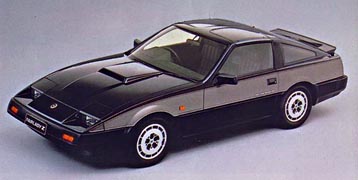
The 1984-1989 Nissan Fairlady Z Z31 Model Variations

Fairlady Z Logo
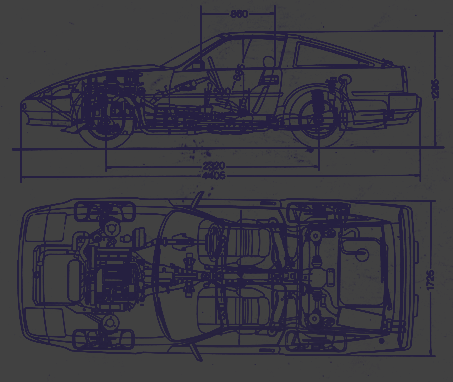
Z31 Top Drawing

The Z31 was offered in several different model trim packages, each with different engines and options.

Here, I will try to document these differences to the best of my ability.

Not sure which one you have? Decode your VIN.

The Z31 Models at a Glance

Model Era Market Engine Transmission Body
200Z Zenki Japan VG20ET 2.0L V6 turbo 5-speed manual 2-seat or 2+2, slicktop
200ZS Zenki Japan VG20ET 2.0L V6 turbo 5-speed manual (4-speed auto on 2+2 only) 2-seat or 2+2, slicktop
200ZG Zenki Japan VG20ET 2.0L V6 turbo 5-speed manual (4-speed auto on 2+2 only) 2-seat or 2+2, slicktop or T-bar (T-bar from Feb 1984)
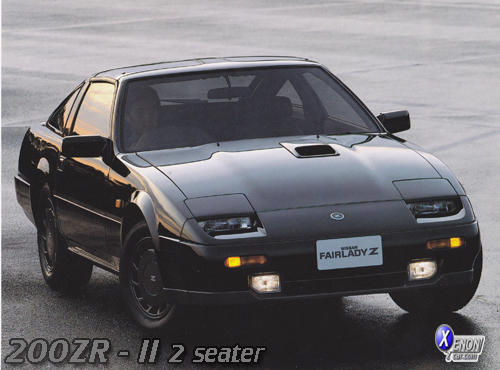
200ZR - I / 200ZR - II Zenki (from Oct 1985) Japan RB20DET 2.0L inline-6 twin-cam turbo 5-speed manual 2-seat or 2+2; ZR-I slicktop, ZR-II T-bar
300ZX Zenki Worldwide (the only Z31 sold in the US) VG30E 3.0L V6 or VG30ET turbo (Japan: VG30ET only) 5-speed manual or 4-speed auto 2-seat or 2+2, slicktop or T-tops
300ZX Chuki (1986) US and Canada VG30E or VG30ET turbo 5-speed manual or 4-speed auto 2-seat or 2+2, slicktop or T-tops; flared fenders and side skirts
200ZR - I Kouki Japan RB20DET 2.0L inline-6 twin-cam turbo 5-speed manual 2-seat or 2+2, slicktop
200ZR - II Kouki Japan RB20DET 2.0L inline-6 twin-cam turbo 5-speed manual (4-speed auto on 2+2) 2-seat or 2+2, T-tops
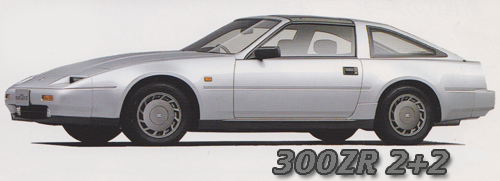
300ZR Kouki Japan VG30DE 3.0L V6 twin-cam 5-speed manual or 4-speed auto 2-seat or 2+2, T-bar only
300ZX Kouki Worldwide VG30E or VG30ET turbo (Japan: VG30ET only) 5-speed manual or 4-speed auto (Japan: auto only) 2-seat or 2+2, slicktop or T-tops (Japan: T-bar only)

Japan calls the 2+2 the "2by2". Every Japanese Z31 was turbocharged except the 300ZR, and every grade came as either body style.

Gear ratios for every model are on the Differential Info page. For engine and dimension specs, see General Specs.

Fairlady Z (Japan) Timeline 1983-1989

The Japanese market got far more versions of the Z31 than anywhere else. These are the main changes Nissan made to the home-market Fairlady Z over its six-year run, in date order.

Date What changed
Sep 1983
  • Z31 launched in Japan as the 200Z, 200ZS, 200ZG and 300ZX. All were V6 turbos, each one offered as a 2-seater or a 2by2.
  • The 2by2 rides on a wheelbase 200mm longer, stands 15mm taller and weighs roughly 35-40kg more than the 2-seater.
  • Drag coefficient of 0.31 (0.30 with the optional front lip spoiler). Parallel-rising headlights pop up in about 0.6 seconds.
  • About 29% of the body is high-tensile steel. Gauges are lit in orange.
  • Nissan quoted 0-100km/h in 6.9 seconds for the 300ZX 5-speed 2-seater.
Feb 1984
  • T-bar roof added as an option on the 200ZG and 300ZX, both body styles. It adds about 5kg to the 2-seater.
  • The glass panels are 4mm thick with a gold mesh tint (about 28% light transmission). They are bigger than the S130 panels yet a little lighter, and store in vinyl bags. A pop-up wind deflector sits at the top of the windshield.
  • New paint: silver two-tone #267 for the 200ZG, and red #013 for all grades.
Jun 1984 Lock-out switch added for the passenger power window.
Jul 1984 Weight and fuel economy figures revised. A cold-climate version of the 200ZG 2-seater T-bar was added.
Oct 1985
  • 200ZR added with the RB20DET straight six. It came as the 200ZR-I (solid roof) and 200ZR-II (T-bar), each as a 2-seater or 2by2, and 5-speed manual only.
  • A limited-slip differential became a factory option on the other grades.
Oct 1986
  • Kouki facelift, styled by Nissan Design International in the US. The 300 grades got blister fenders and grew to 1725mm wide. The 200ZR kept the narrow body (1690mm) so it stayed in Japan's lower-tax small car size class.
  • Slimmer headlights with a new motor, fog lamps built into the bumper, and the separate parking lamps deleted.
  • The 300ZX lost its hood scoop; the 200ZR scoop was made smaller.
  • The 200Z, 200ZS and 200ZG were dropped, cutting the line-up from 16 versions to 8: 200ZR-I, 200ZR-II, 300ZR and 300ZX in each body style.
  • New 300ZR with the VG30DE twin-cam V6. The 300ZR and 300ZX became T-bar only.
  • Leather 3-spoke steering wheel and sport seats on all grades. T-bar glass changed to a mirror coating (about 10% light transmission). Vented rear discs on all grades.
Aug 1987 Shift lock added to automatic cars.
Jan 1988 Automatic climate control with auto door locks offered as an option on the 300ZR.
Jun 1988
  • R200 viscous limited-slip differential offered on every grade.
  • 16x7JJ wheels with 225/50R16 tires offered on the 300ZR and 300ZX, paired with the viscous LSD.
  • 200ZR gearbox gets double-cone synchros on 2nd and 3rd for a smoother shift.
  • Paint changes: black #505 became Black Pearl #732, Super Red #526 became #AG2, and Red Pearl #726 became #AH3.
  • Windshield molding: grey on the ZR grades, chrome on the 300ZX, black on Black Pearl cars.
Jul 1989 The Z32 went on sale and Z31 production ended.

Reading a JDM Model Code

Japanese Z31s carry a model code on the ID plate in the engine bay. The chassis part tells you the engine and body, and the letters after it tell you the grade, roof and transmission.

Letter Meaning
Z31 (no prefix)VG20ET 2.0L V6
PRB20DET 2.0L straight six (200ZR)
HVG30 3.0L V6 (300ZX and 300ZR)
G2by2 body (no G means 2-seater)
KT-bar roof
Blank / J / XTrim level. Blank = 200Z or 200ZR-I, J = 200ZS or 200ZR-II, X = 200ZG, 300ZR or 300ZX
AAutomatic transmission
TTurbo

Example: HGZ31 is a 3.0L 2by2, and PZ31 is a 200ZR 2-seater.

Zenki: 1984-1985 USDM, 1983-1986 outside the USDM

Zenki Icon In the US the Zenki covers the 1984 and 1985 model year 300ZX (1986 US cars are the Chuki, below). In Japan and other markets it runs from the September 1983 launch until the October 1986 Kouki facelift. During that time Nissan built the Z31 under the following nameplates:
  • 200Z
  • 200ZS
  • 200ZG
  • 200ZR
  • 300ZX (all markets, including the USDM)

200Z

200Z Car

The 200Z was the base model Z31 and was only offered in Japan. It came as a 2-seater or 2by2 (2+2), slicktop only, with minimal options. The engine was the VG20ET, a smaller version of the VG30ET found in the 300ZX. The VG20ET has a stroke of 69.7mm and a bore of 78mm for a total of 1998cc and a compression ratio of 8:1. It came with a single Garrett-based TB250 turbocharger and was only offered with an FS5W71C 5-speed manual transmission.

Wheels were 14" steel wheels with full covers on 195/70HR14 tires. Dealers usually offered alloy wheels as an option.

The 200Z did not offer any power options.

  • Manual windows
  • Manual locks
  • Manual seats
  • Manual rack was fitted instead of a power steering rack
  • Air conditioning was a dealer-installed option (as on all the 2.0L grades)

In the interior, only a few items were included: plain woven cloth seats and a basic AM/FM radio with 2 speakers. Like every Zenki grade, it still had the boost gauge, oil temperature and oil pressure gauges, 3-way adjustable shocks, and disc brakes all around.

200Z Interior

200ZS

200ZS Car

The 200ZS was the next model up from the 200Z and was only offered in Japan. Power steering, one-touch power windows, and a tilt steering column with memory were standard. Air conditioning was still a dealer option. It was only offered in a slicktop body (2-seater or 2by2) and had the VG20ET motor and FS5W71C 5-speed manual transmission. The E4N71B 4-speed automatic was an option on the 2by2 only.

The 200ZS was also offered with 14" steel wheels and covers, with alloy wheels usually available as a dealer option.

The 200ZS had some upgrades in the interior to make things more comfortable: tricot cloth seats and a cassette stereo with 4 speakers.

200ZS Interior

200ZG

200ZG Car

The 200ZG was the top 2.0L grade. It had everything the 200ZS had, and from February 1984 the T-bar roof was offered as an option. The 200ZG had the VG20ET motor and FS5W71C 5-speed manual transmission like the 200Z and 200ZS. As on the ZS, the E4N71B 4-speed automatic was an option on the 2by2 only.

The 200ZG was offered with 15" alloy 4-lug wheels on 215/60R15 tires. Extras over the ZS included an 8-speaker stereo, voice warning system, the small sub-meter fuel gauge, a power antenna, and a bronze shade band on the windshield. Simulated aluminum trim was also available in the interior.

200ZG Interior

200ZR

200ZR Car

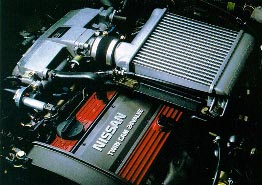
In October 1985, the 200ZR was created and was the last of the Z cars to have a straight-six engine. Nissan dropped the L-series motors and instead used the RB20DET motor in the 200ZR. The RB20DET is an inline-6, 2000cc, twin-cam, electronically fuel-injected, intercooled single turbo and is the same motor used in the R31 Skyline GTS. Its turbo used a ceramic turbine wheel, which Nissan claimed as a world first, and it was rated at 180PS (net) and 23.0kg-m. It also had a higher speed limiter, stiffer springs and shocks, extra sill reinforcement, and a limited-slip R200.

There were two versions, each as a 2-seater or 2by2, and both were 5-speed manual only:

  • 200ZR-I: solid roof, and a lighter, simpler car. It did without power windows, the bronze tinted glass and the memory tilt column, and A/C was a dealer option.
  • 200ZR-II: T-bar roof with the comfort items the ZR-I left out.
RB20DET Engine

The dashboard was fitted with white face gauges like the 87-89 300ZX, a 3-spoke steering wheel, and supportive sport seats in black or grey patterned cloth.

200ZR Interior

Outside, it had a small lip on the front air dam like the 300ZX turbo models. It also had a large hood scoop centered on the power bulge to direct air into the top-mount intercooler on the RB20DET. The 200ZR had its own 15x6.5JJ 5-lug alloy wheels on 215/60R15 tires, in a style similar to the wheel used on the 1986 USDM 300ZX non-turbo.

Launch colors were Crystal White #326, Super Red #526, Blue Metallic #553, and the special 3-way two-tone #500, which combines Thunder Black #505 and Dark Pewter Metallic #218.

The differential offered in the 200ZR was a long nose R200 4-pinion limited-slip unit (not viscous) with a 4.375 gear set (see Differential Info). A viscous LSD did not become available until June 1988.

See the original 200ZR brochure for more photos and factory specs.

300ZX

1983 300ZX JDM

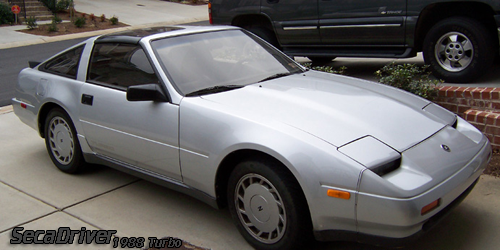
The 300ZX was the top of the line in the Z car series. This was also the only model exported to the USDM, where other markets received a few of the other Z car models noted above. The 300ZX was powered by a 3.0-liter single overhead cam V6 engine with a bore of 87mm and a stroke of 83mm for a total of 2960cc, with a compression ratio of 9:1 in non-turbo form and 7.8:1 in turbo form. This was mated to either the FS5W71C 5-speed manual for non-turbo, FS5R90A B/W T5 5-speed manual for turbo models, or an E4N71B 4-speed automatic transmission.

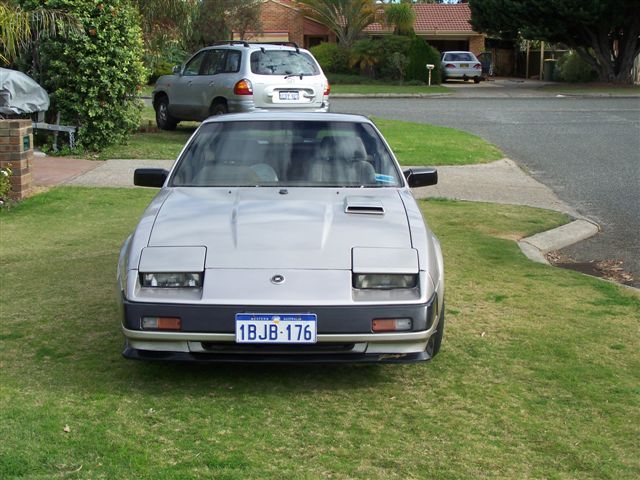
The 300ZX turbo models added a small spoiler to the hatch made from rubber-covered foam with a metal supporting structure. Turbo cars also added a small lip to the air dam and a small hood scoop located off-center above the turbo location to aid in cooling the early air-cooled turbos.

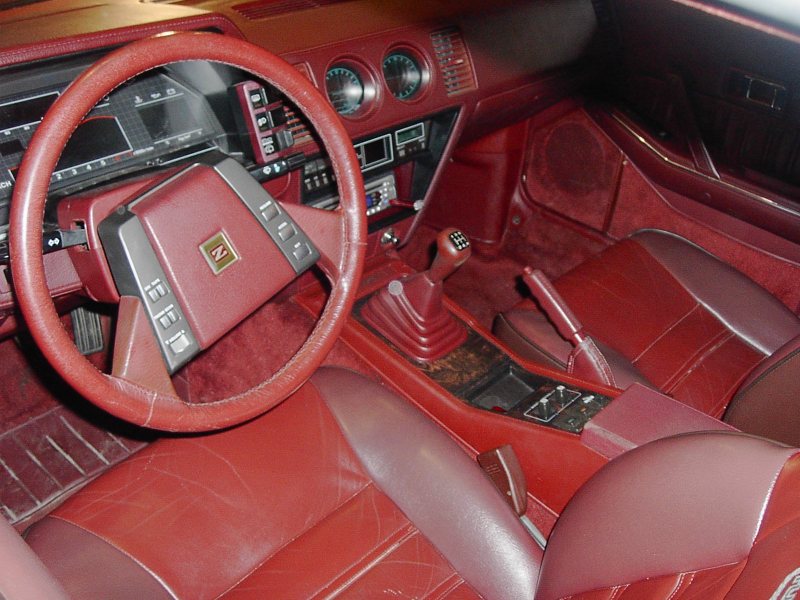
Interiors were available with either cloth or leather and included a full gauge pack.

In Japan the 300ZX was the flagship and was sold only with the VG30ET turbo (no non-turbo VG30E). It came loaded: 5-lug 15" alloys, automatic climate control, cruise control, auto door locks, rain-sensing wipers, the hood scoop, and its own rear finisher panel. An 8-way power seat in leather was a factory option, and the automatic was available on both body styles.

In the USA, turbo models were only available in 2-seat models. In Canada and the JDM market, turbo models were available in both 2-seat and 2+2 models. In the Euro market, only 2+2 models were available.

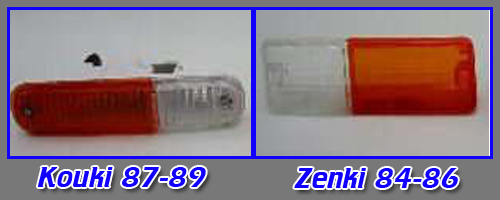
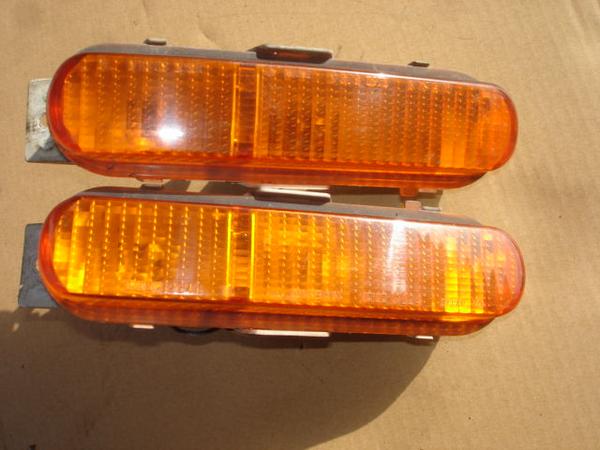
Front turn signal lenses on North American models were amber with a single double filament bulb. In the Euro market they were half clear and half amber with two bulbs (one for the daytime running lamp and one for the turn signal). In the JDM, the lenses were all amber but with two sections and bulbs.

Wheels were either 14" 4-lug steel wheels on base models, 15" 4-lug alloy wheels on non-turbo models, and 15" or 16" 5-lug alloy wheels on turbo depending on year and market. Note: 16" alloy wheels were not available in the USDM till 1986, except on the 50th AE.

In 1984, a "Special 50th Anniversary Edition" 300ZX was offered in the US and AU markets to celebrate Nissan's 50th birthday as a vehicle manufacturer. Information on these special models can be found here.

There were three trim codes for the 300ZX in North America: SF (Canada only), GL, and GLL. GL models had analog dash, cloth interior, and manual AC controls. GLL models had leather interior, digital electronics package, and adjustable suspension.

SF models were available with red or tan cloth interiors.

SF Interior

GL models had more interior color options: black, blue, and grey were added at this level.

Standard Options for Models

1984 1985
SF No Changes
GL
  • Cruise Control
  • Power Windows
  • Passenger Assist lock (driver lock controls passenger)
  • Tilt Steering Wheel
  • Power Mirrors
  • Illuminated Entry
  • Digital AM/FM/Cassette No EQ
  • Air Conditioning
  • T-Tops Optional on all but AE
No Changes
GLL
  • Digital Instrumentation
  • Power Leather Seats
  • Automatic Climate Control
  • Headlight washing system
  • Cargo shelf and retracting tonneau cover
  • On 50th AE model, stereo and cruise control functions were added to a 2-spoke steering wheel
  • T-Tops Optional on all but AE

Telling the Years Apart

General Info Non-Turbo Turbo
1984
  • Defined edge for wheel arches
  • Trunk hatch has "DATSUN" emblem on driver side
  • All model plate light strip says 300ZX
  • No spoiler front or rear
  • 15x6.5" 4 lug wheels
  • Hatch has "NISSAN" emblem on passenger side
  • 3.7 rear end
  • Alternator located on left side of engine under AC compressor
  • Spoiler on front and rear
  • 15x6.5" 5 lug wheels
  • Hatch has "NISSAN/TURBO" emblem on passenger side
  • 3.54 rear end
  • Functional hood scoop
  • Garrett T3 oil-lubricated turbo
  • In-car electronically adjustable shocks
  • Injector cooling fan mounted just behind driver headlight
  • Dual core radiator
  • Auxiliary electric pusher fan mounted to AC condenser
  • Oil cooler added on automatic models
  • Alternator located on right side of engine under power steering pump
1985
  • Visually indistinguishable from the 1984 models
  • Trunk hatch has only "NISSAN" emblem on driver side
  • Alternator located on left side of engine under AC compressor
No changes.
  • Turbo is now water cooled
  • Plate light strip says "300ZX TURBO" and is gray
  • Tail lights are smoked
  • All turbos have T-tops
  • In the Euro market, alloy 16x7" 5 lug wheels (US kept 15x6.5")
  • Alternator located on right side of engine under power steering pump

Chuki: USDM 1986 models

Chuki Car

Chuki Icon1986 was a strange year for the Z car. In the US market, the 300ZX received a minor facelift with flared fenders and side skirts based on the 50th AE model (except for the SF model), and the bumpers were painted body color instead of the black stripe.
This was also the first year in the North American market that 16" alloy wheels were available as standard on turbo models. These were similar to the 50th AE wheels but with grey-painted fins. Non-turbo models received a new style wheel like those on the 200ZR in the 15x6.5" size.

The Chuki model also received the new style seats and interior fabrics.

This was the only year non-turbo cars had a rear spoiler, available as standard in the USA due to safety requirements mandating a high mount brake lamp. It was redesigned in 1987 to be above the rear glass, and the spoiler was again removed from non-turbo cars. The 1986 spoiler was made of reinforced plastic instead of foam rubber and metal. 2+2 spoilers (Part #s KO850-04P25 or 90850-04P25) and 2-seater spoilers (Part #s KO850-01P25 or 90850-01P25) are not interchangeable, as the 2+2 is slightly shorter in length and the angle where it meets the hatch glass does not match.

All non-turbo models received the injector cooling fan mounted on the right side of the engine.

All turbo models lost the injector cooling fan.

The hood scoop was removed from turbo models.

Power seats were an option on non-turbo models but standard on turbo models.

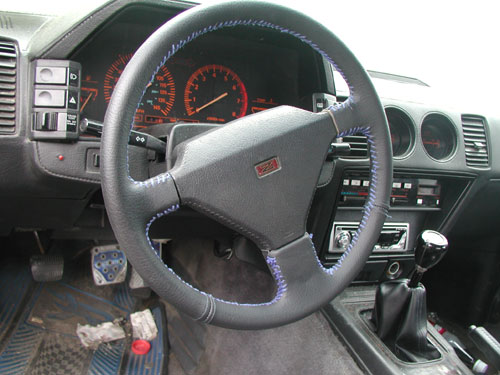
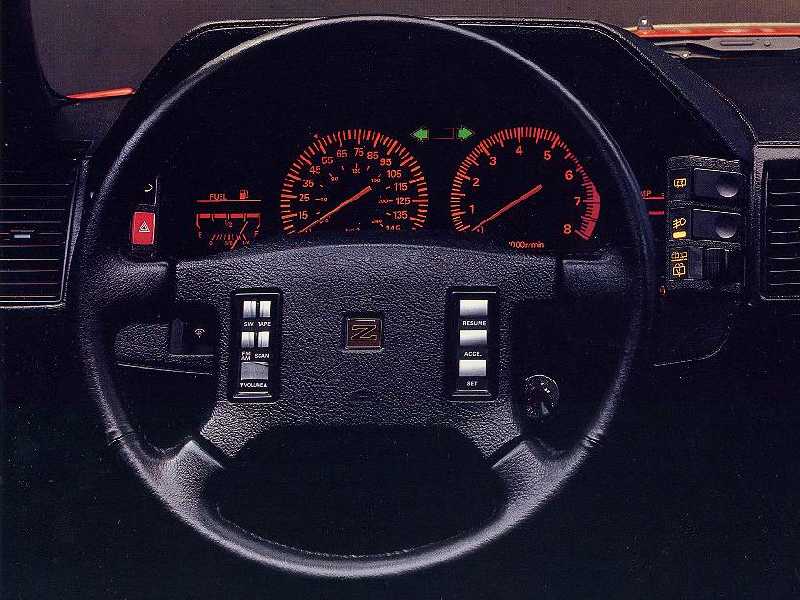
The steering wheel changed from a 2-spoke wheel to a 3-spoke wheel in GL models and a 4-spoke wheel on turbo models with built-in cruise control and radio controls.

Kouki: 1987-1989 models

Kouki Icon From 1987 to 1989 the Fairlady Z went through several upgrades. Below are details of some changes in these models.

In Japan the Kouki facelift arrived in October 1986. It was styled by Nissan Design International in California. The 300 grades got the wide blister fenders (1725mm overall), while the 200ZR kept the narrow 1690mm body so it stayed under Japan's small car size limit and its lower tax. All Kouki cars got slimmer headlights, fog lamps built into the front bumper, a leather 3-spoke steering wheel, and vented rear discs. The 200Z, 200ZS and 200ZG were dropped.

Kouki Models

  • 200ZR - I
  • 200ZR - II
  • 300ZR
  • 300ZX

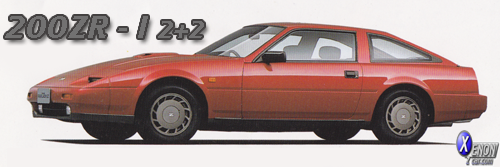
200ZR - I

200ZR - I

The 200ZR - I was again equipped with the RB20DET motor, just like the Zenki models.

RB20DET Engine

The 200ZR - I kept the arched fenders from the Zenki models but added the new Kouki nose, headlights, tail lamps, and bumper. It was available in both 2-seater and 2+2 models, but only as a slicktop with manual transmission.

200ZR Interior

Since it was manual only, the 200ZR - I received a 4.375 gear set.

As on the Zenki ZR-I, it was the lightweight version: no power windows, no bronze tinted glass, no memory tilt column, and A/C was a dealer option.

200ZR - II

200ZR - II

The 200ZR - II continued with the RB20DET motor as in the Zenki models and 200ZR - I.

It retained the arched fenders but added the new Kouki nose, headlights, tail lamps, and bumper. It was available in both 2-seater and 2+2 models, but only as a T-Top model.

The E4N71B 4-speed automatic transmission was available as an option for 2+2 models only.

Differentials: Automatic models received a 4.625 gear set, manual models received a 4.375 gear set.

Recaro seats were an option on both 200ZR grades, with the black interior only. From June 1988 the 200ZR 5-speed got double-cone synchros on 2nd and 3rd gear.

300ZR

300ZR Car

The 300ZR was the first Fairlady to feature a 3.0-liter DOHC V6 engine. The VG30DE was rated at 190PS (net) and 25.0kg-m, and it was the only non-turbo Japanese Z31. It was offered with the 5-speed manual or the 4-speed automatic.

VG30DE Engine

It was available in both 2-seater and 2+2 models, T-bar roof only. The interior is similar to the 200ZR in fabrics and materials, and since there was no turbo, a voltmeter took the place of the boost gauge. It came with manual A/C, Bridgestone RE71 tires, and Nissan's 4WAS four-wheel anti-skid brakes as standard.

300ZR Interior 300ZR Interior 2

The 300ZR was also offered with the popular Recaro manual bucket seats.

Recaro Bucket Seats

The differential in the 300ZR was an R200 4-pinion limited-slip with a 4.111 gear set. From June 1988 a viscous LSD and 16x7JJ wheels with 225/50R16 tires were offered as an option package.

300ZX

Kouki 300ZX

Like the 200ZR, the 300ZX received new front and rear bumpers with a more rounded look. New headlights and taillights were also added.

In Japan the Kouki 300ZX kept the VG30ET but was sold with the automatic only and the T-bar roof only. It was the luxury grade: the only Kouki model with the 3-way adjustable shocks, rain-sensing wipers, cruise control, auto door locks, automatic climate control, 8 speakers and the sub-meter fuel gauge. It had body-colored mirrors, bare stainless door moldings, and an optional leather power seat, but no limited-slip differential.

Interior materials were updated to new patterns, and Recaro manual seats were an option on the Japanese ZR grades. In the USDM, cloth and leather were available, and in 1988 the same Recaro buckets were offered in the Special Edition Shiro Special during the Nissan White Sale.

Kouki 300ZX Interior

The engine was still the VG30E and VG30ET. Minor changes in 1988 led to the "W-series" designation. Turbo size was reduced to a T25 instead of the previous T3, and compression on turbo motors was increased to 8.3:1, raising power to 205HP. The turbo manual transmission switched from the Borg Warner T5 to the FS5R30A Nissan unit. The turbo spoiler also changed to a new plastic model (Part #96030-21P10).

In April 1987, North American turbo models started receiving a 3.700:1 clutch-type limited slip differential. The 1988 Shiro Special got a 3.700:1 viscous limited slip. In the JDM market, the 300ZX received an open (non-LSD) 3.545 ratio; a viscous LSD became an option there in June 1988.

SF models were still available with red or tan cloth interiors.

SF Interior

GL and GLL models still had the same interior color options.

Vented rotors were added to the rear of Kouki models.

Once again, wheels changed. Non-turbo models received 15x6.5" wheels with covers over the lugs, and turbo models had the same style but in 16x7". 1987 turbo models received a charcoal-painted 16x7" wheel and non-turbos were just aluminum. 1988-1989 models were the same but the charcoal paint changed to grey. 1988 Shiro wheels were painted white to match the body, and this was also offered in 1989 with either the 15x6.5" or 16x7" wheels if paint code #234 Moonglow Pearl was chosen.

Non-turbo models lost the injector cooling fan.

Turbo models received larger slip-on front rotors and a new front hub. These are sought after as an upgrade for early models and non-turbos, making it possible to upgrade to larger 4-piston calipers from the Z32.

Trim Options

SF GL GLL
1987 5 lug wheels standard Cruise control now an option
  • Digital instrumentation now an option
  • Headlight sprayers optional
1988 No changes No changes No changes
1989 No changes No changes No changes

Sources Used

  • 1984 JDM Fairlady Z Product Brochure
  • 1987 JDM Fairlady Z Product Brochure
  • Z31club.com: the Fairlady Z history, grade and specification pages, used for the JDM timeline, grade equipment and model codes
  • 1984-1989 Nissan Factory Service Manual
  • Nissan FAST software
  • AZ-ZBUM